

Online – A Look at Women’s Health and Reproductive Health During the COVID-19 Pandemic
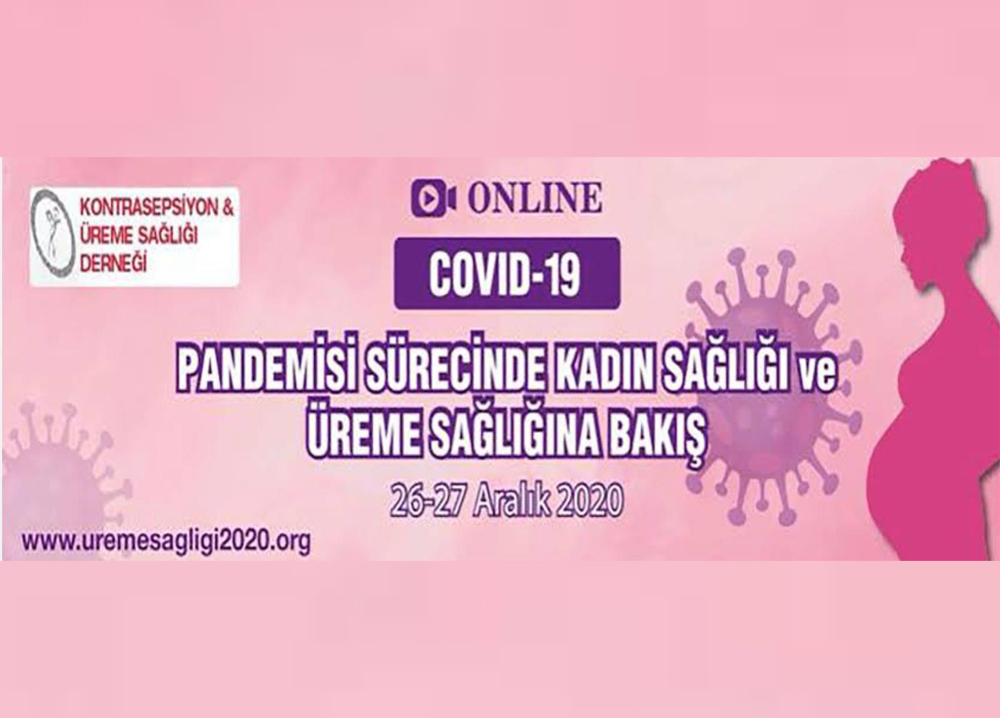
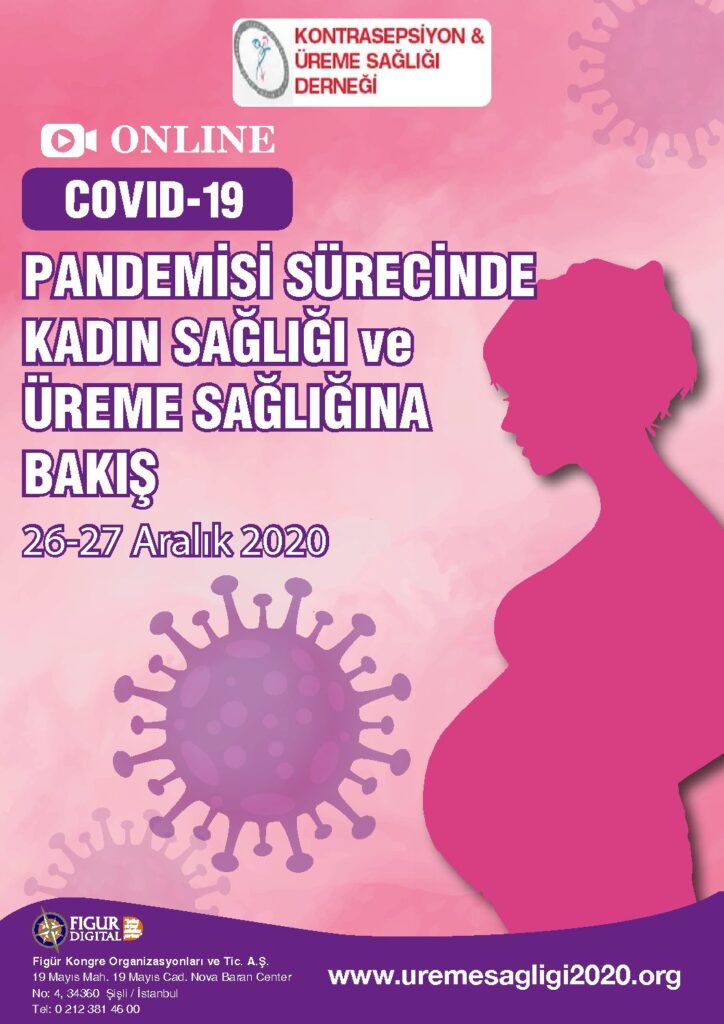
“Perspective on Women’s Health and Reproductive Health During the COVID-19 Pandemic” online video conference will be broadcast on December 26-27, 2020.
Participation link: www.uremesagligi2020.org
Dear Reproductive Health Professionals,
The COVID-19 pandemic, which is believed to have begun in December last year and has since affected the entire world, has disrupted daily life and has also directed healthcare services almost entirely toward COVID-19-related care. All countries have concentrated their healthcare capacity on fighting this disease. The treatment of COVID-19 patients, identification of contacts, and conducting necessary diagnostic tests have become the priority—and at times, the sole focus—of healthcare systems. Routine check-ups, outpatient care for non-urgent conditions, and visits have been postponed due to infection fears and the shifting priorities of healthcare organizations. However, issues related to reproductive health, such as childbirth, miscarriage, pregnancy complications, pregnancy monitoring, and contraceptive needs, cannot be delayed.
Reproductive health and sexual health (RSH) are among the most fundamental human rights. In our country, where the population of women of reproductive age exceeds 20 million, approximately 1.2 million births occur annually, and according to the latest TNSA-2018 data, 12 out of every 100 women have unmet contraceptive needs. Due to these reasons, the healthcare system, focused on providing high-quality reproductive and sexual health services, has faced significant challenges during the pandemic. In addition to the issues in RSH service delivery, the pandemic has also disrupted essential medical, nursing, and specialization training programs that play a crucial role in ensuring the sustainability of these services.
As the Contraception and Reproductive Health Association, we aim to organize an online symposium to refresh knowledge and discuss new developments. Our goal is for all stakeholders involved in reproductive health services to benefit from this educational event.
We look forward to the valuable participation of all reproductive health volunteers and hope for a productive meeting.
Prof. Dr. Berna Dilbaz
President, Contraception and Reprod
Kontrasepsiyon ve Üreme Sağlığı Derneği - Tüm hakları saklıdır. ©2026